Africa's railways are becoming the new battleground for trade
New and revived rail connections are reshaping regional trade and mobility.
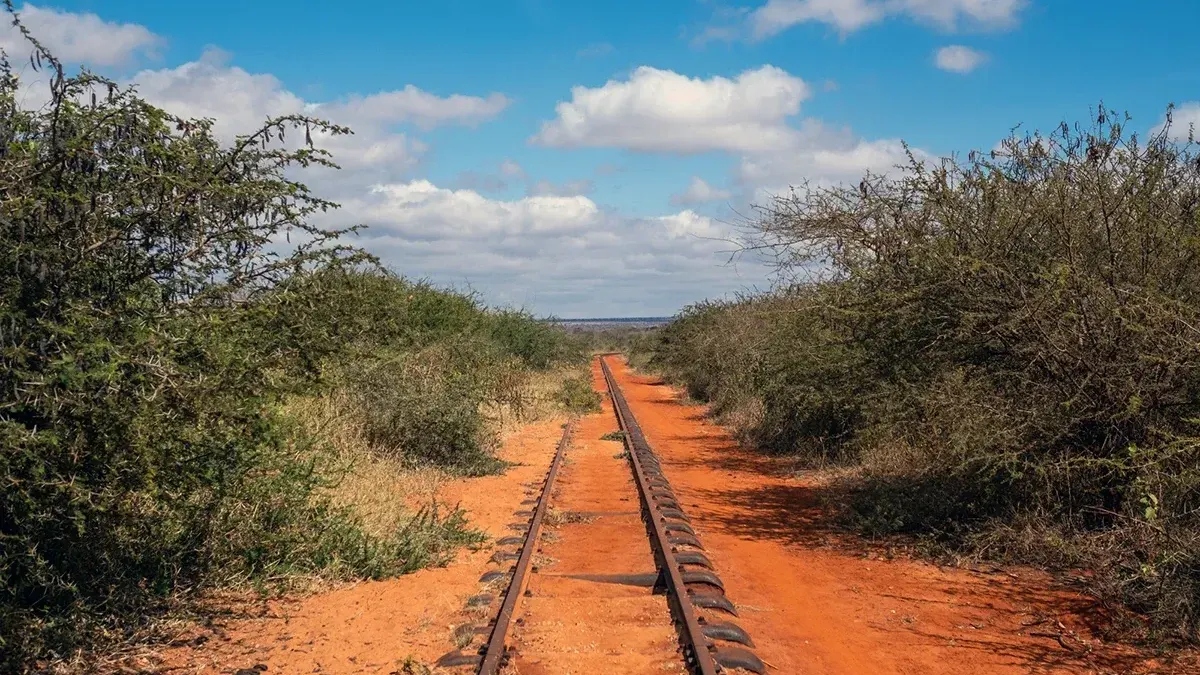
Key points
- Africa's mineral boom is putting railways back at the centre of economic planning, because copper, cobalt and lithium must reach ports.
- South African rail operator Traxtion is investing billions of rand in extra capacity as countries open their rail systems to private operators.
- Corridors such as the Lobito Corridor could cut transport times, lower logistics costs and strengthen regional trade.
Africa's mineral boom is creating a problem that cannot be solved by mines alone.
The minerals need to reach ports.
That is putting railways back at the centre of Africa's economic ambitions.
The investment is accelerating
Private rail operators are increasing their investment in locomotives, wagons and freight networks as countries open parts of their rail systems to private participation.
South African company Traxtion is investing billions of rand in additional rail capacity.
Why minerals matter
Copper, cobalt, lithium and other minerals are increasingly important to the global energy transition.
But moving those minerals efficiently remains one of Africa's biggest infrastructure challenges.
The corridors changing Africa
The Lobito Corridor is one of the most important examples of the new approach.
Rail connections linking mining regions to ports can reduce transport times and improve the competitiveness of African exports.
The bigger opportunity
Better railways would not only serve mining companies.
They could lower logistics costs, connect cities and strengthen regional trade.
Africa's next infrastructure revolution may be measured not in kilometres of road, but in tonnes of cargo moved by rail.
Spotted an error? Read our corrections policy or tell us.