
Morocco appoints its first woman prime minister
Fatima Zahra Mansouri, a former Marrakech mayor, must now build a coalition after her party won 97 of 395 seats.
Elections, governance, security, public health and the policy decisions shaping African countries, reported with the context that explains why they matter beyond the headline.
Fatima Zahra Mansouri, a former Marrakech mayor, must now build a coalition after her party won 97 of 395 seats.
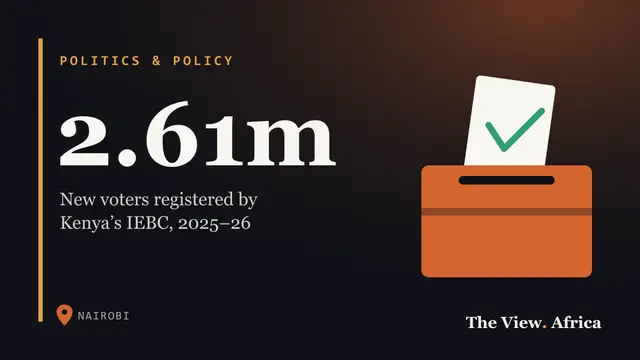
The drive beat its 2.5 million target, with Nairobi, Kiambu and Nakuru registering the most people.
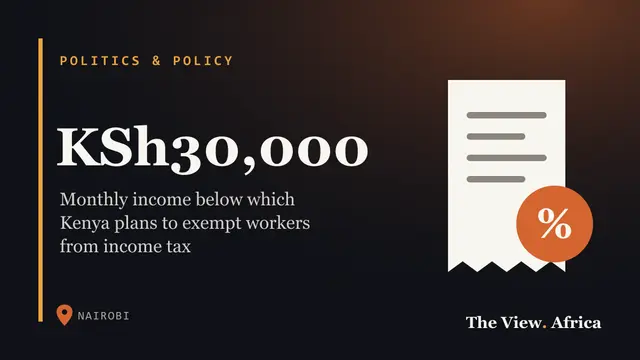
More than 1.5 million workers would pay no income tax, and 500,000 more would pay a lower rate.
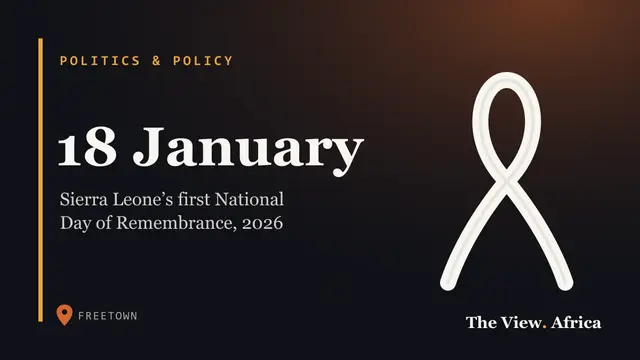
On the anniversary of the end of the war, the country paused to honour the 120,000 people who died.
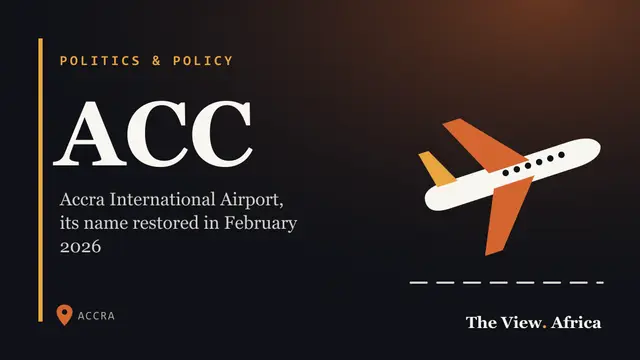
The airport named after Lt-Gen Emmanuel Kotoka in 1969 has gone back to its original name.
The government ended permanent “summer time” after a petition signed by more than 340,000 people.

Ethiopia won the backing of the African Group to bring the UN climate talks back to Africa.
Ambassadors are back and the airspace is open again between the two Sahel neighbours.
Zimbabwe will represent Africa on the Council for 2027–2028.

The WHO validated three North African countries in 2026 for ending trachoma as a public health problem.
A new Ghana–Zambia deal and Uganda’s visa-free list for 40 countries make it easier to move across the continent.
Eighteen months after expelling each other’s diplomats, the two countries will reopen their embassies.
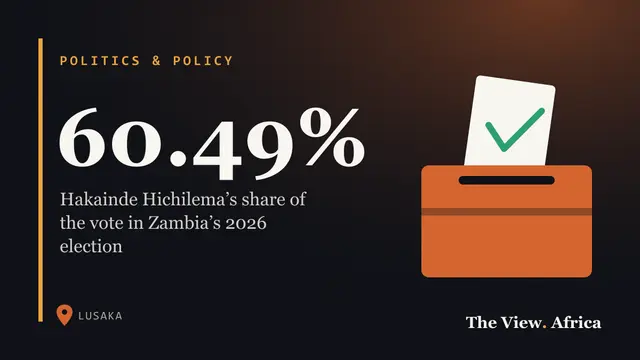
He won just over 60% of the vote, promising to build on the copper-led economic recovery.
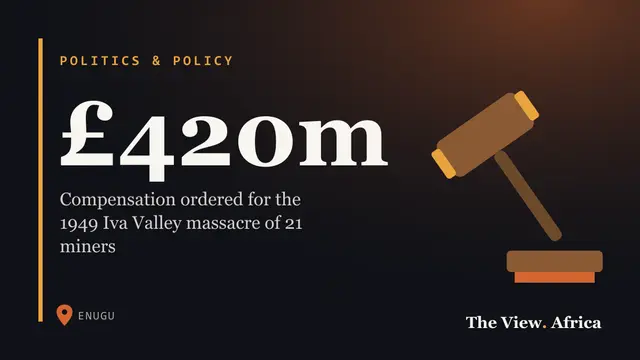
Families of 21 coal miners killed by colonial police in Enugu won a landmark judgment 77 years later.
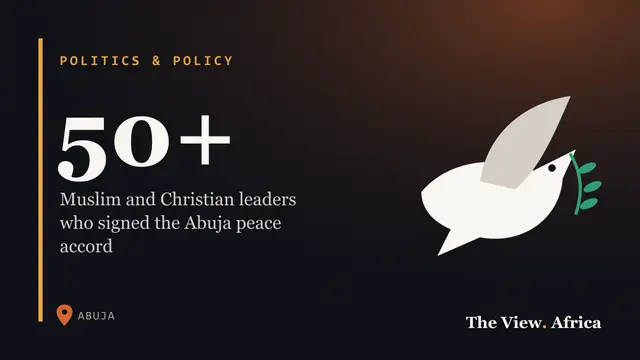
More than 50 leaders, including the Sultan of Sokoto, pledged to reject hate speech and work together.
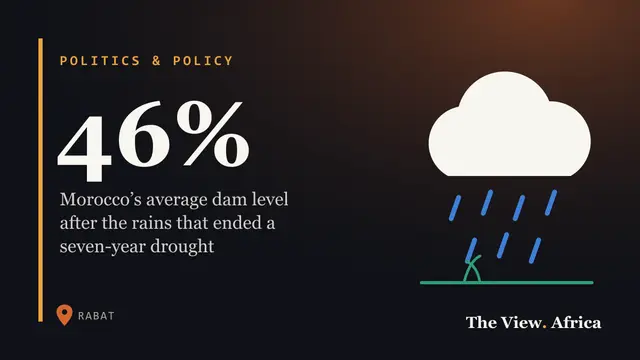
Winter rains refilled dams, with some key reservoirs back at full capacity.

More than 100 governments and organisations made 320 commitments in Mombasa, including $1 billion from Kenya.
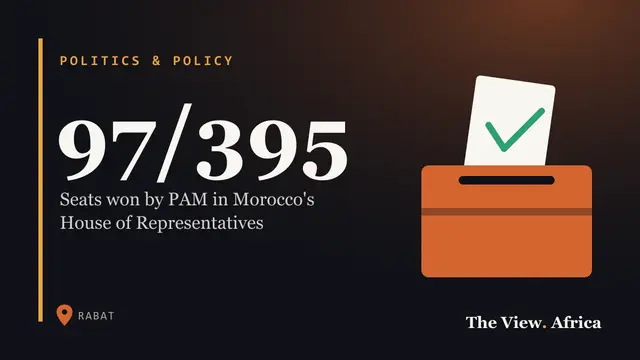
The Authenticity and Modernity Party took 97 of 395 seats on a turnout of about 38%.

Copper, debt and global competition have made the vote strategically important.
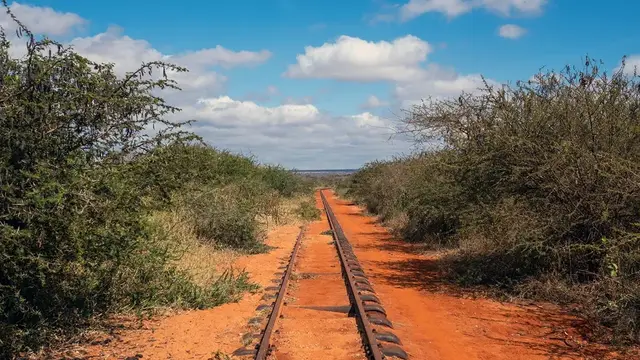
New and revived rail connections are reshaping regional trade and mobility.