China is building Africa's next generation of electric cars
Electric mobility is moving from distant promise to a practical industrial opportunity.
Key points
- Chinese car manufacturers are moving beyond exporting finished vehicles to Africa and are beginning to set up production on the continent.
- Fast-growing cities and an expanding middle class make Africa a large long-term market for affordable transport.
- Local manufacturing could create engineering jobs and supply chains, and give host countries more control over their automotive industries.
Africa's automotive industry may be entering a new phase.
Chinese manufacturers are increasingly moving beyond exporting finished vehicles and beginning to establish production operations on the continent.
Why Africa?
Africa's cities are growing rapidly. Millions of people are entering the middle class, while demand for affordable transport continues to rise.
For automakers, that creates an enormous long-term market.
The electric opportunity
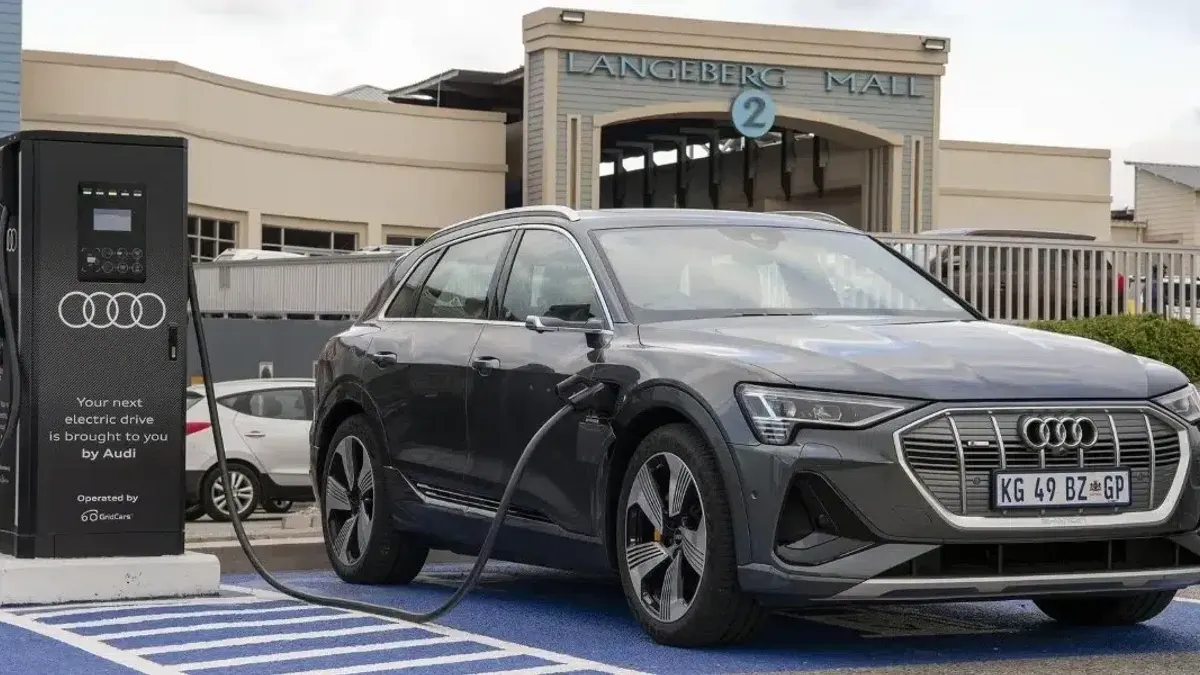
Electric vehicles could allow African countries to enter a new automotive era without reproducing every stage of the traditional petrol-powered industry.
Governments can potentially combine local assembly with renewable electricity, public transport reforms and new charging networks.
Manufacturing matters
The biggest prize is not simply selling electric cars.
Local manufacturing can create engineering jobs, supply chains and technical expertise while giving countries greater control over their automotive industries.
A new automotive race
Chinese companies are arriving at a moment when established global automakers are also reconsidering their African strategies.
The result could be a new contest for Africa's future drivers.
The countries that build the right manufacturing ecosystems could become the automotive hubs of the next African century.
Spotted an error? Read our corrections policy or tell us.