UN declares the slave trade the “gravest crime against humanity”
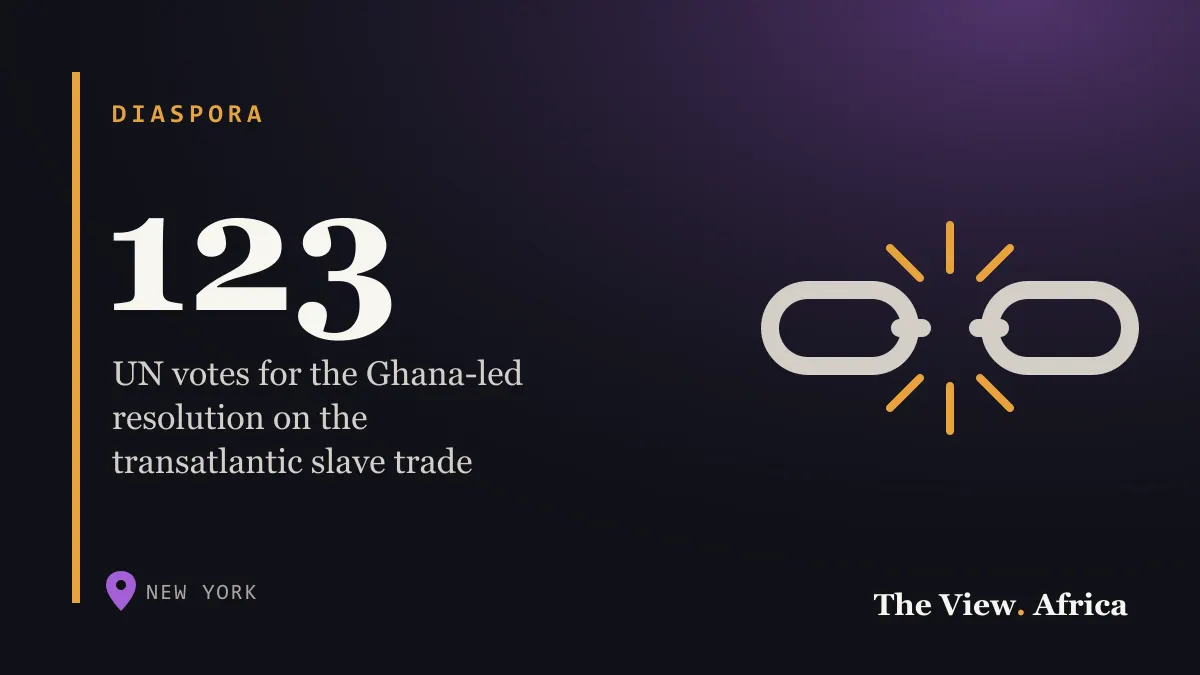
A Ghana-led resolution passed with 123 votes and calls for dialogue on reparations.
Key points
- On 25 March 2026 the UN General Assembly adopted a Ghana-led resolution declaring the trafficking and enslavement of Africans the gravest crime against humanity.
- The resolution passed with 123 votes in favour, 3 against (Argentina, Israel and the United States) and 52 abstentions.
- It urges dialogue on reparations, including apologies, the return of stolen artefacts, financial compensation and guarantees of non-repetition.
The United Nations General Assembly has declared the trafficking and enslavement of Africans the "gravest crime against humanity". The resolution, introduced by Ghana and backed by the African Union, was adopted on 25 March 2026.
The vote
It passed with 123 votes in favour, 3 against (Argentina, Israel and the United States) and 52 abstentions.
What it says
The resolution recognises the transatlantic slave trade and racialised chattel enslavement as the gravest crime against humanity, and stresses the need to confront the lasting effects of these injustices on African societies and people of African descent worldwide.
It urges UN member states to engage in dialogue on reparations, including:
- formal apologies;
- the return of stolen cultural artefacts;
- financial compensation;
- guarantees that such crimes will not be repeated.
Why it matters for the diaspora
For people of African descent around the world, the resolution is a formal international recognition of a history that shaped the Americas, the Caribbean and Europe as well as Africa. It is not legally binding, but it strengthens the case being made by African and Caribbean governments for reparatory justice.
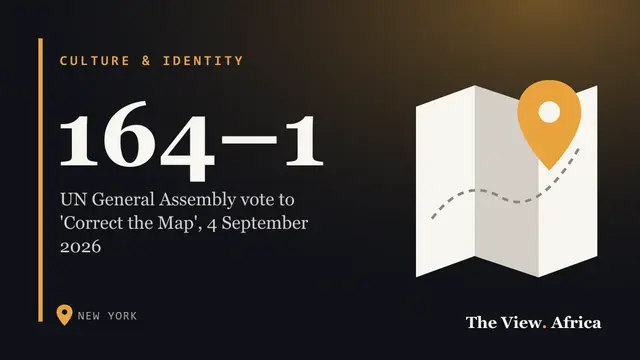
It is one of two African-led UN resolutions this year about how Africa is seen and remembered; in September, the General Assembly also backed the "Correct the Map" campaign.
Sources
Spotted an error? Read our corrections policy or tell us.