Senegal builds its own satellite as Africa’s space race speeds up
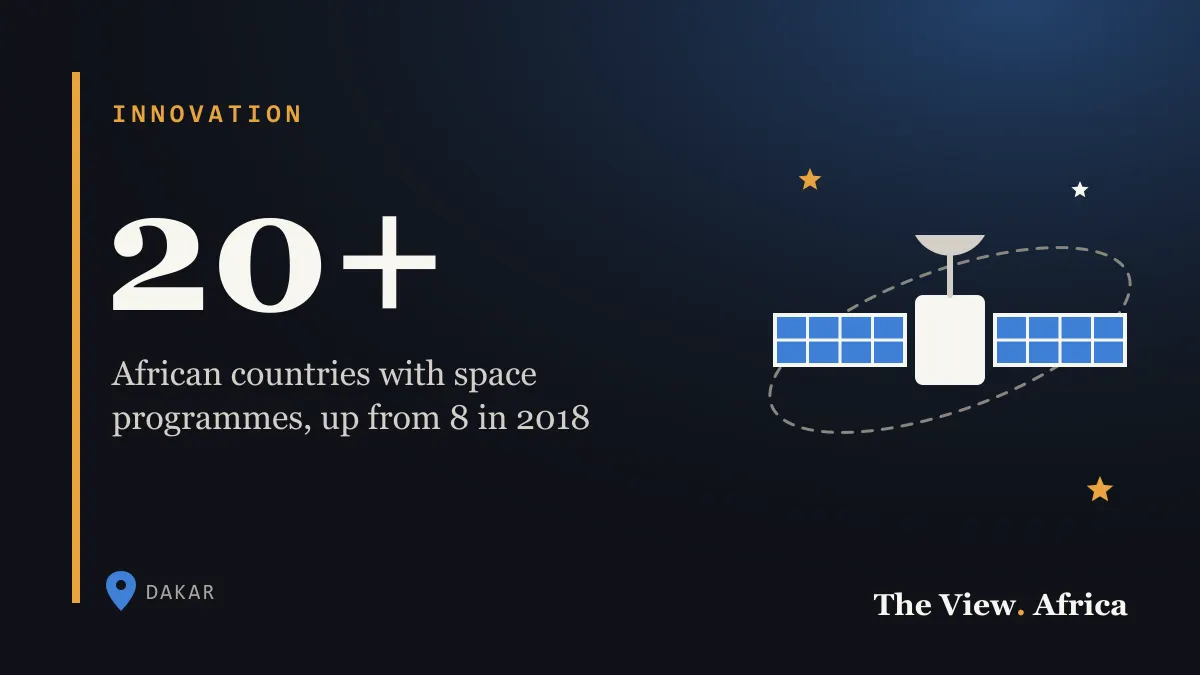
More than 20 African countries now have space programmes, up from eight in 2018.
Key points
- Senegal is assembling its second nanosatellite, GaindéSat-1B, to collect environmental and climate data, building on GaindéSat-1A launched in 2024.
- “We have mastered the manufacturing process,” said Gayane Faye, head of Senegal’s space programme.
- The number of African countries with a space programme has risen from eight to more than 20 since 2018, and continental space budgets have grown to about $800 million.
Senegal is building its second satellite at home. Engineers are assembling GaindéSat-1B, a nanosatellite that will collect environmental and climate data, without international coaching this time.
It builds on GaindéSat-1A, Senegal's first satellite, launched in 2024.
"We have mastered the manufacturing process," said Gayane Faye, head of Senegal's national space programme, in an interview with AFP. A new headquarters for the programme is under construction outside Dakar.
Africa's space race
Senegal is part of a fast-growing trend:
- The number of African countries with a space programme has risen from eight to more than 20 since 2018.
- Continental space budgets have grown to about $800 million, from under $300 million in 2018.
- Kenya launched its first operational Earth-observation satellite, Taifa-1, in 2023, and Côte d'Ivoire recently named the first director of its space agency.
- The African Space Agency, based in Cairo, is now operational, and several countries are working together on the AfDevSat climate-monitoring satellite.
Why it matters
Satellites help African countries monitor droughts, floods, crops, forests and coastlines. Building them at home also builds engineering skills and reduces reliance on data bought from abroad.
Sources
Spotted an error? Read our corrections policy or tell us.